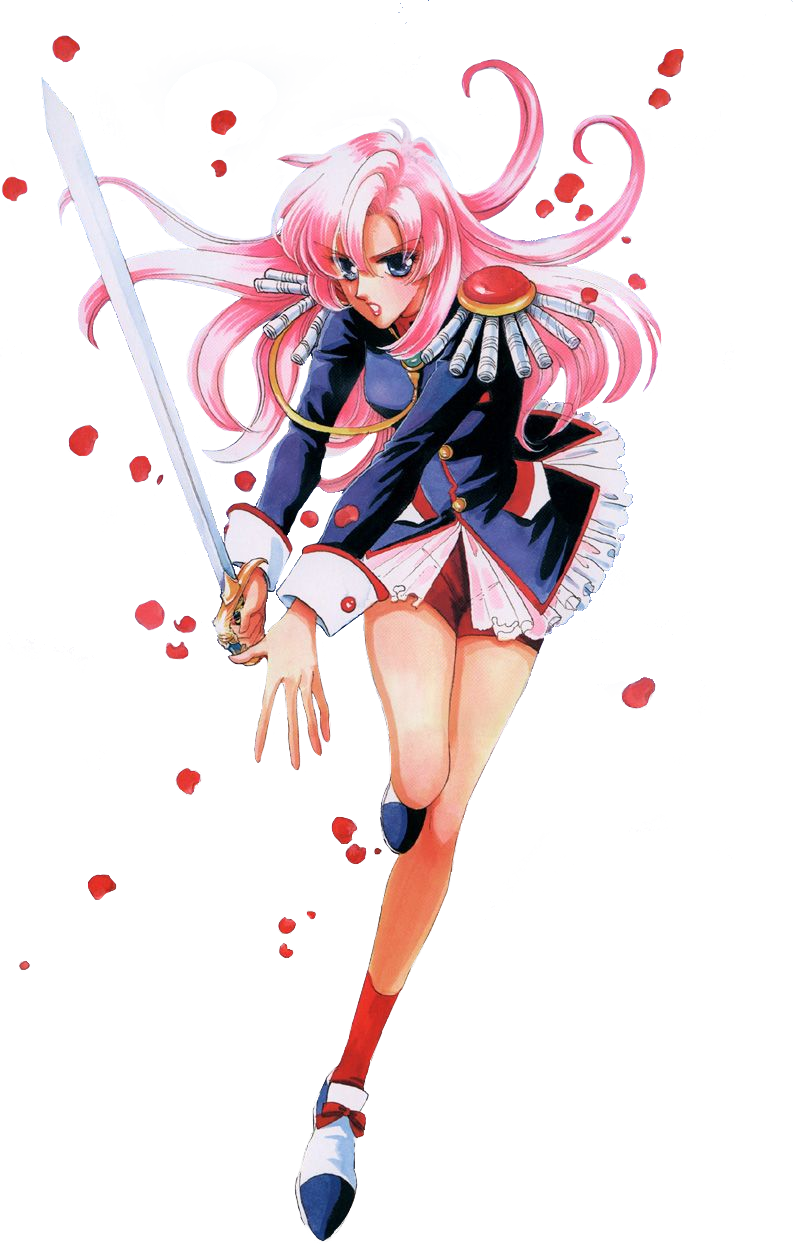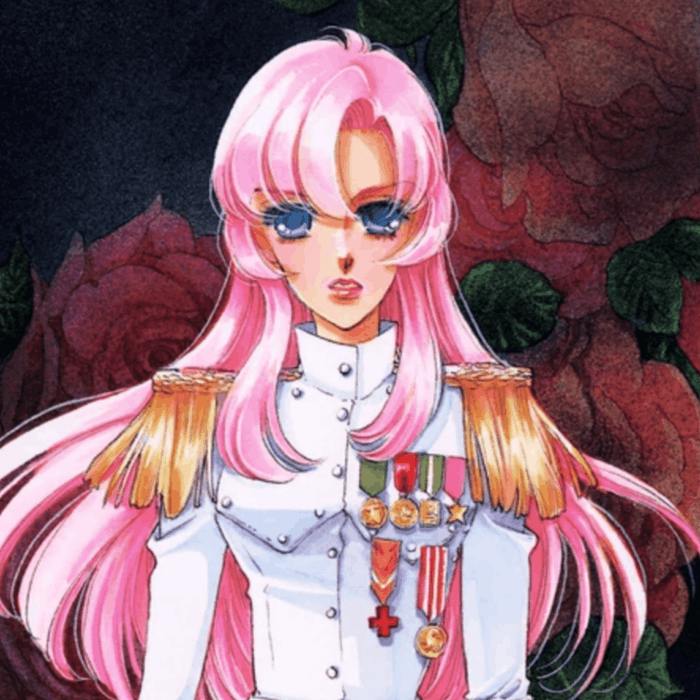
Utena Tenjou
The Prince
Revolutionary Girl Utena tells the story of Utena, a middle school girl, who becomes involved in a series of duels to possess the Rose Bride, fellow middle school student Anthy Himemiya. Utena was given a rose crest ring as a child by a prince who promised that the ring would lead her to him, and she was so inspired by his kindness and chivalry that she desires to become a prince herself.
Her sense of justice drives her to challenge a fellow student to a fight after witnessing his cruelty to others. Little did she know, he was a duelist appointed by the End of the World to fight to win Anthy, granting him the power to "revolutionize the world." When Utena wins the duel and becomes engaged to the Rose Bride, she must defend her place against challengers to keep Anthy away from people who would use her to their advantage.
But also, maybe, revolutionize the world while she's at it.
Before we go further, we want to thank Giovanna and Yasha, the creators and maintainers of Empty Movement. They've been documenting and collecting materials about Utena for over twenty years, and their site is an absolute treasure trove of everything you could want: art galleries and screenshots, fanworks including analysis and doujinshi, interviews with the creators, scans and translations of primary source material, and more. It's incredible. We'll be linking to some of their material along the way, but if you have any interest in Utena you need to check their website out.

The Prince
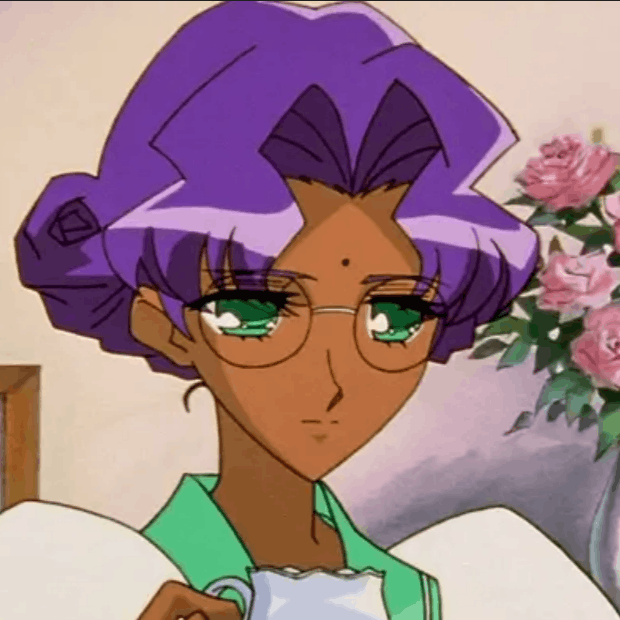
The Rose Bride
A hunched forest crouches at the edge of the academy, and the door to enter it is locked to anyone who doesn't possess a rose crest ring. After the door opens to the select few, a competitor ascends a winding staircase to the arena in the sky. Above them, an upside down castle looms like a magnificant chandelier above the competitors as they duel.
Each duelist has a rose placed in their left breast pocket by the Rose Bride. The duelists draw their swords, and whoever cuts the other's rose off wins the duel.
The duelist engaged to the Rose Bride can conjure the sword of Dios, an enigmatic source of extraordinary power.
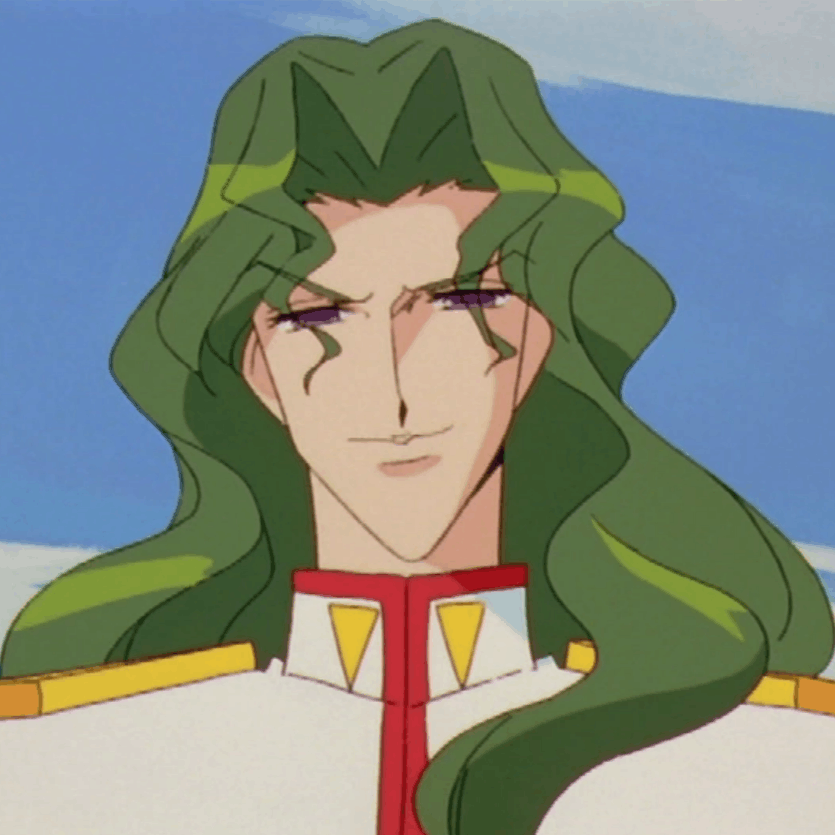
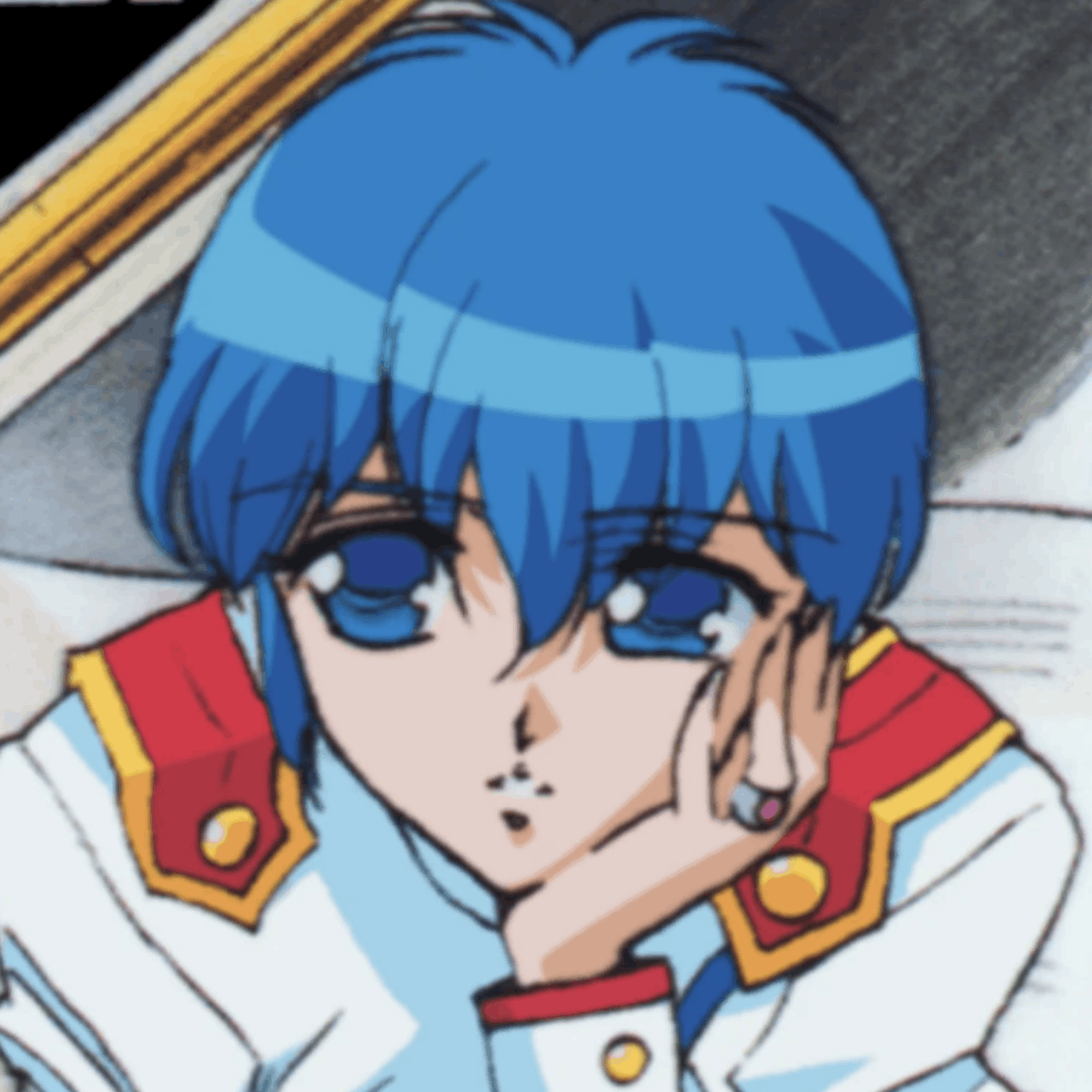
Vice President and Kendo Captain
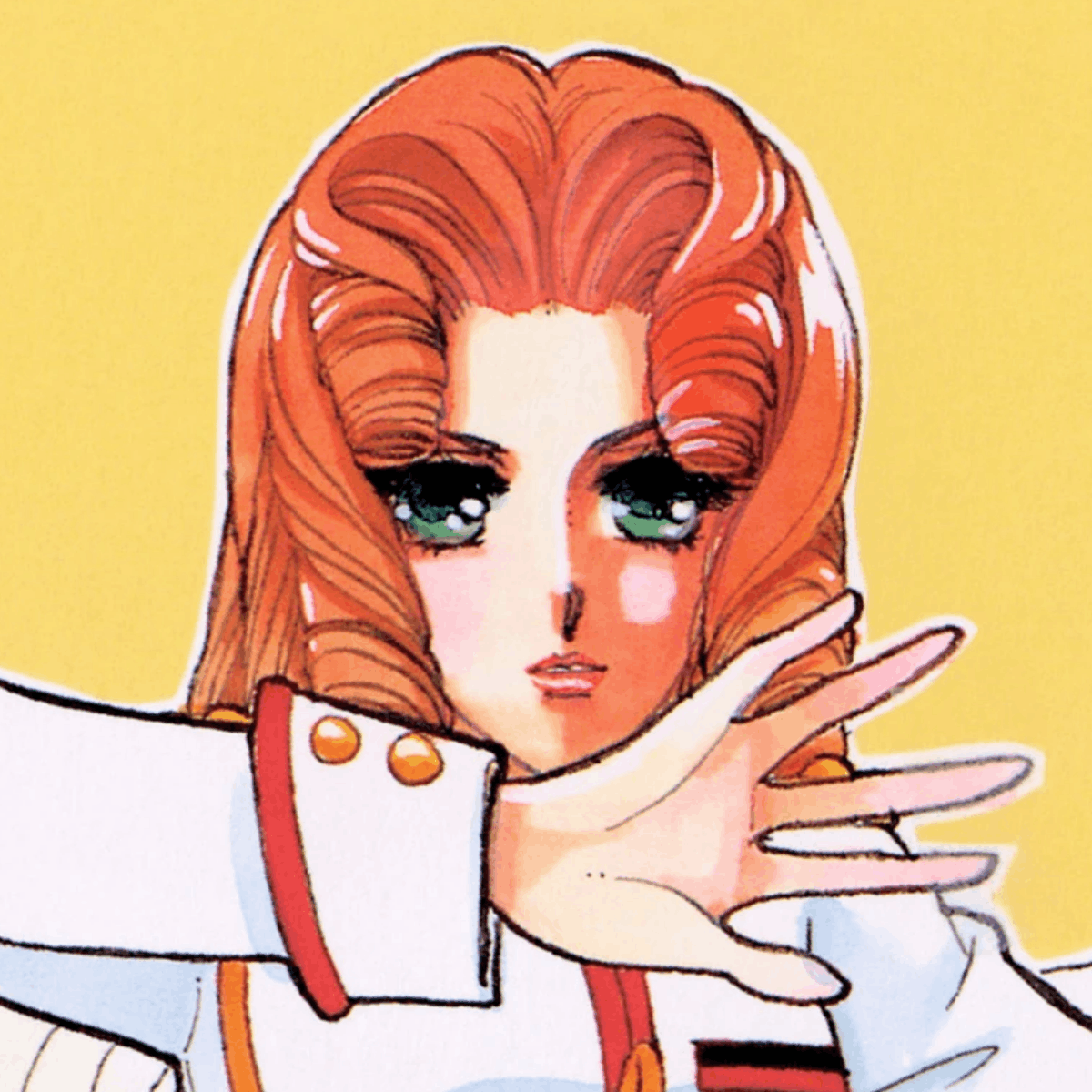
Pianist, Fencing, and Academic Prodigy
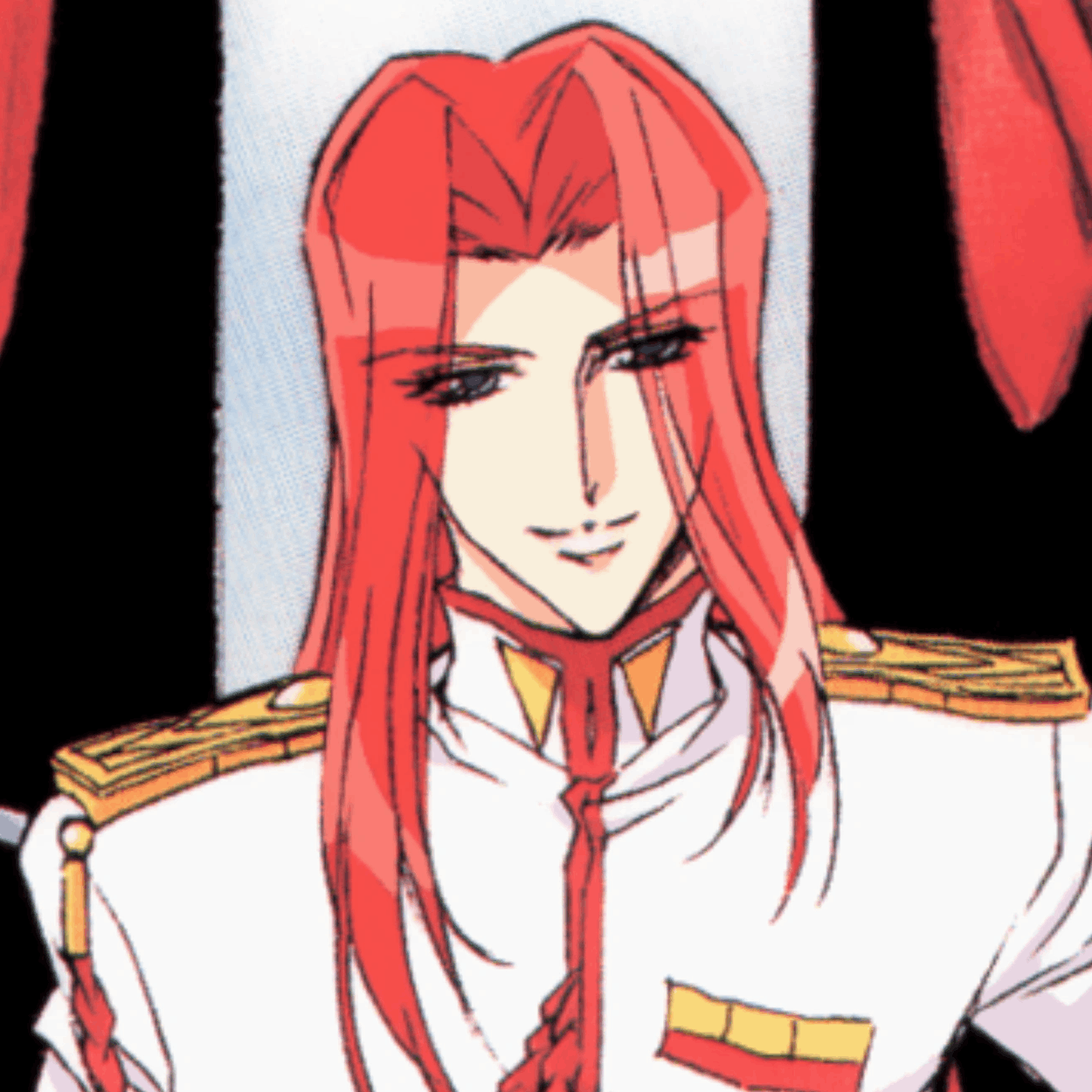
Treasurer and Fencing Team Captain
Student Council President

Replacement President? Sorta?
More duelists and supporting characters who shape the story in big ways.
Miki's Twin Sister
Nanami's Underclassman
Juri's Childhood Friend
Chairman of the Black Rose
Former Fencing Captain
Nanami's Circle
Be-Papas was a production company led by director Kunihiko Ikuhara, whose most famous work up until that point had been Sailor Moon with Toei Animation. He had directed many episodes and became the series director for season 2 and onward. By season four, however, Ikuhara disliked how little creative control he had over the show and left to form Be-Papas along with the manga artist Chiho Saito, producer Yuchiro Oguro, animator Shinya Hasegawa, and writer Yoji Enokido. With this new freedom, they created the original series Revolutionary Girl Utena.
The exact story of Revolutionary Girl Utena varies between the manga, anime, and movie, all created by Be-Papas, so what counts as "canon" is up for interpretation. For most, the primary material is the anime that ran for 39 episodes in 1997, but the manga was published in 1996 (and Saito was given a lot of freedom with the story and characters) and the movie came out in 1999 (which Ikuhara had much more control over), and they both have significant differences in the plot. There's also the 1998 light novels, but they were not written by someone in Be-Papas, so they're not generally considered canon.
J.A. Seazer created the operatic rock main duel music. Seazer got his fame composing music for Shuji Terayama, an avant-garde theater director who wrote plays about the 1960s student protest movement in Japan, among other things. Terayama's influence can be seen throughout Utena (check out this article by Clover Demerritt for Anime Feminist for more about underground Japanese theater's influence on Utena). Ikuhara thought Seazer's music would be perfect for a story about attempted revolution.
The music is awesome. The main duel theme that starts as Utena ascends to the arena and continues through the fights is the track Absolute Destiny Apocalypse, and it's so cool we added it to the player below. The lyrics are dark and foreboding, and the song ends with a repeated, meaningless chant as if praying or meditating or invoking a dangerous spirit.
Duels have their own rock opera tracks. Different duelists have certain aspects of their motivations or the consequences of the outcome emphasized by the incredible lyrics. The following is a list of the songs ordered by episode, each with a link to their lyrics and translations by Empty Movement and a timestamped link to the episode in which they appear.
A strange quirk we experienced while watching the show was an issue with subtitles. We found some servers that would display the song lyrics at the top while dialog was subtitled at the bottom, but there were several episodes where there was a single subtitle track that covered both music and dialog. Sort of. During duels, the subtitles were the translations for the lyrics of the song, and the dialog was secondary. We had to consult transcripts for several episodes because the content of the conversations didn't end up in the subtitles. A bold, inconvenient choice.
Some of the songs have lyrics that are more free association. One such song, Allegory Allegorier Allegoriest, includes lyrics about the end of the world, about impending extinction, about creation, and about how people's lives can become symbols in their messy fight for existence. It's beautiful. What it meant in practice while watching the show, however, was that a main character's dialog in a pivotal scene was obscured by subtitles like "North Pole lemming Siberian antelope."
To avoid this situation, just watch the series on Youtube. It's free. We found it too late.
The following are links to other cool Utena content on the web.